
Program Delivery & Reporting
Nonprofit program reporting
starts with how the work runs.
We build nonprofit reporting systems that connect intake, attendance and program updates. Your team can prepare program and funder reports from consistent records.
Start with a free assessment →Start with one program. Build from there.
LESS CHASING. A CLEARER PICTURE.
You have the tools.
The information still lives apart.
Intake is in a form. Attendance is in a spreadsheet. Updates are in email. When a report is due, someone has to put the story back together.
We start with one program and the report you need to produce. Then we give the information a path your team can follow.
01 / CONNECT THE INFORMATION
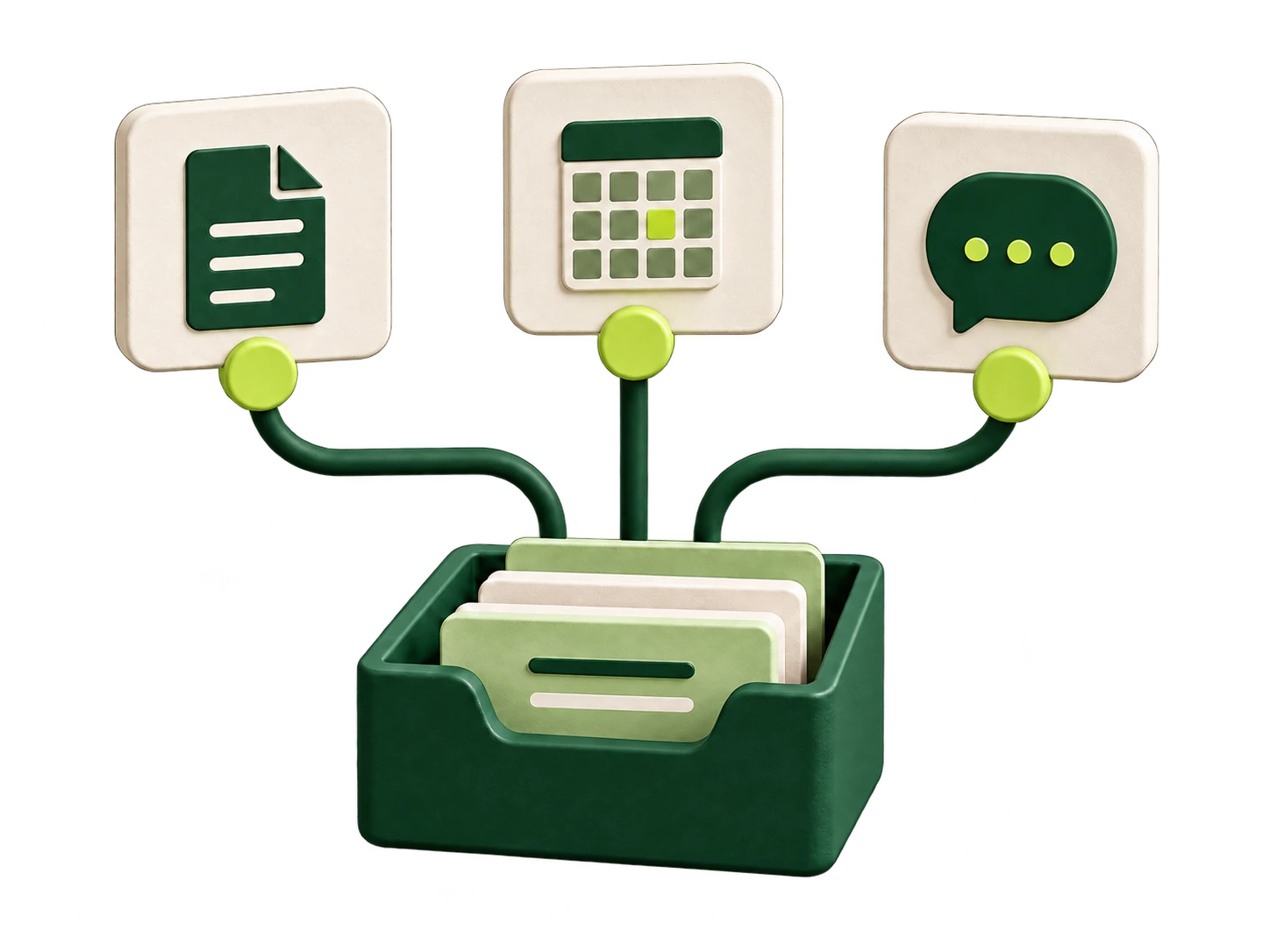
One clear path from intake to report.
Agree which record is the main one and how later updates reach the right participant. Connect only the tools the program needs.
- Consistent participant and activity records
- Less repeated entry between tools
- Access limited to the people who need it
We begin with what your team already uses. Any new tool needs a clear reason.
02 / MAKE OWNERSHIP CLEAR
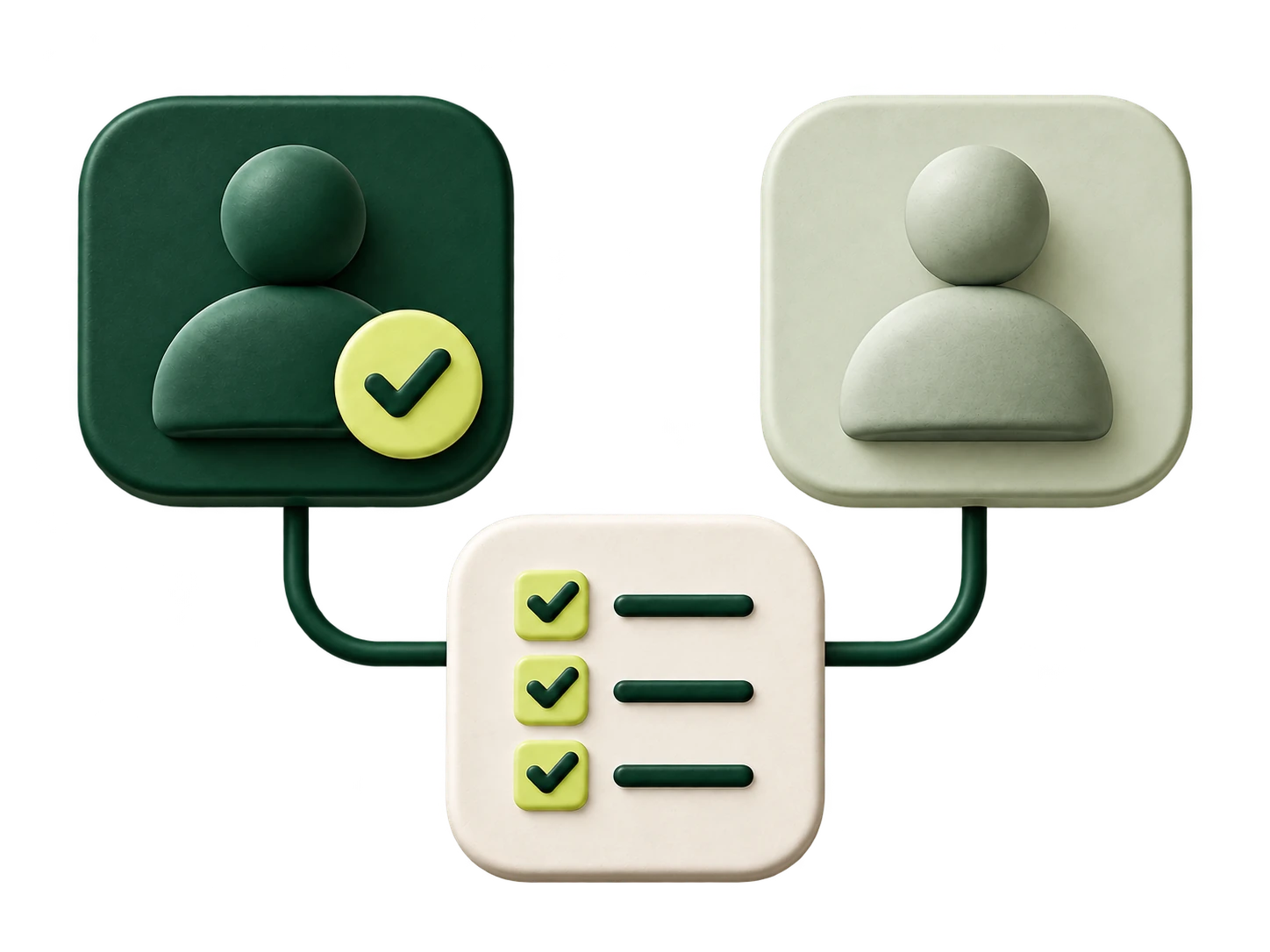
Everyone knows what to update. And when.
A shared file cannot decide who keeps it current. Agree the update routine, the responsible role and who covers an absence.
- A named owner and backup
- Short instructions staff can follow
- A clear way to check missing information
Build a routine that works during an ordinary busy week.
03 / REPORT WITH A CLEAR TRAIL
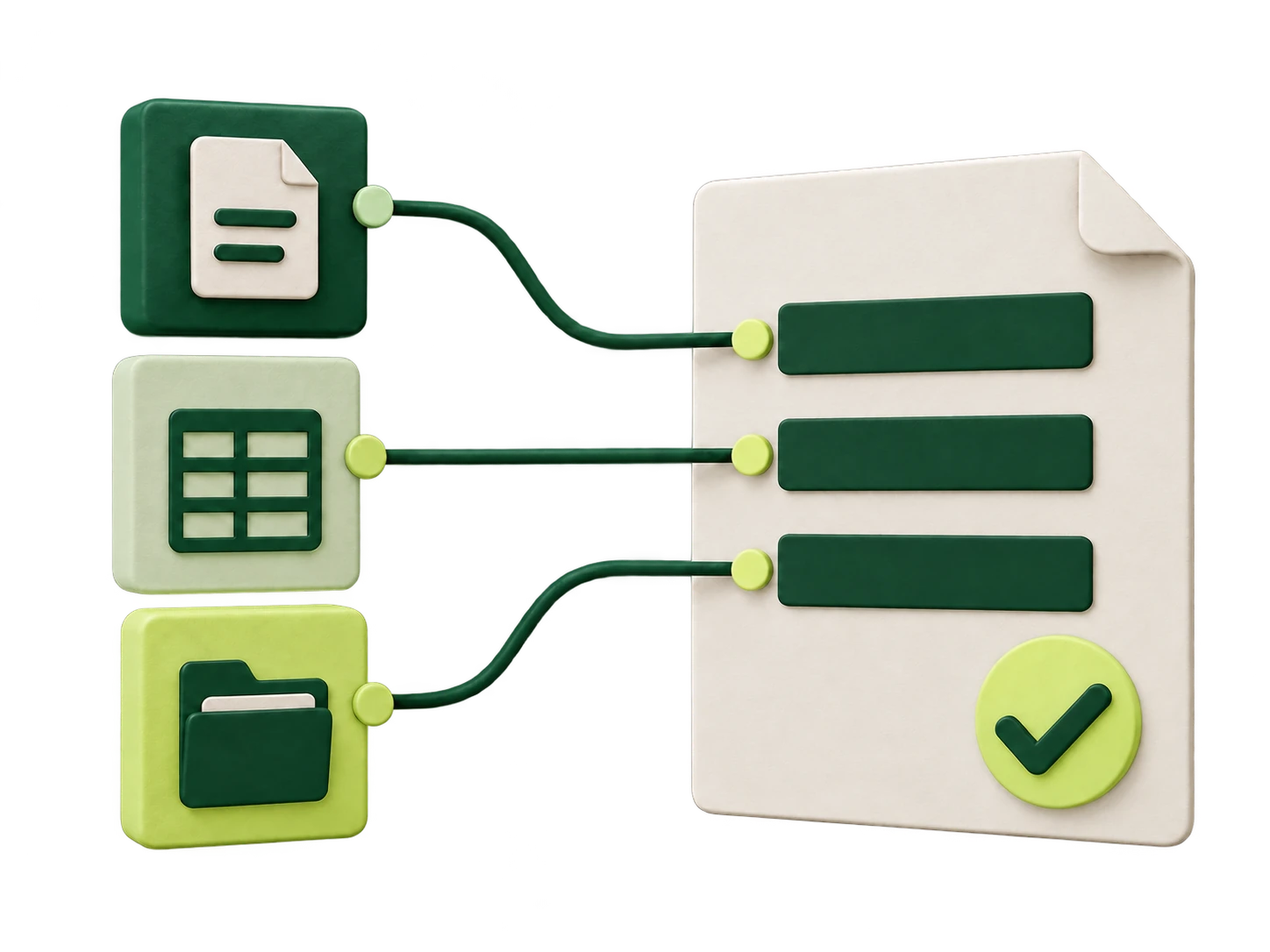
Program and funder reporting, with a clear trail.
Agree what each measure means, where its information comes from and who checks it. Bring those measures into a useful report.
- Totals linked to underlying records
- Missing entries kept visible
- Duplicates and corrections tested
Participation counts and changes in people’s lives answer different questions. Keep that distinction clear.
04 / HAND OVER WITH CONFIDENCE
Your team can run what we build.
Staff practise the whole process: enter an update, correct an error and prepare the report. We leave clear guidance and agree the support available after handover.
- Training in the work staff actually do
- Written steps and ownership rules
- A tested process and agreed support route
Your team checks the figures, makes the decisions and approves the report.
A FICTIONAL WORKSHOP EXAMPLE
12 people.
36 attendances.
Two different answers.
Twelve people each attend three sessions. Count each person once and you have 12 participants. Count each visit and you have 36 attendances.
The report needs a clear definition before the team starts collecting the numbers. Neither count, on its own, tells you what changed for someone.
Read Ben’s reporting experience →BEFORE YOU START
A focused Build. A clear handover.
What can the work include?
A workflow map, agreed measures and responsibilities, configured forms and trackers, necessary connections, a report, staff training and handover. We agree the scope before the Build starts.
How do you approach the Build?
Define and design the process. Build and configure it. Practise with your team. Resolve agreed issues and hand it over. The scope depends on the program and its records.
What should we bring?
One program with a clear reporting problem and the report you need to produce. Our workflow mapping guide can help you prepare.
START WITH ONE PROGRAM
What makes your next report hard to prepare?
Start with a free conversation about the problem and whether Nimara is a fit. If it is, we explain what we could build, the likely scope, schedule and price range before you decide.
Start with a free assessment →